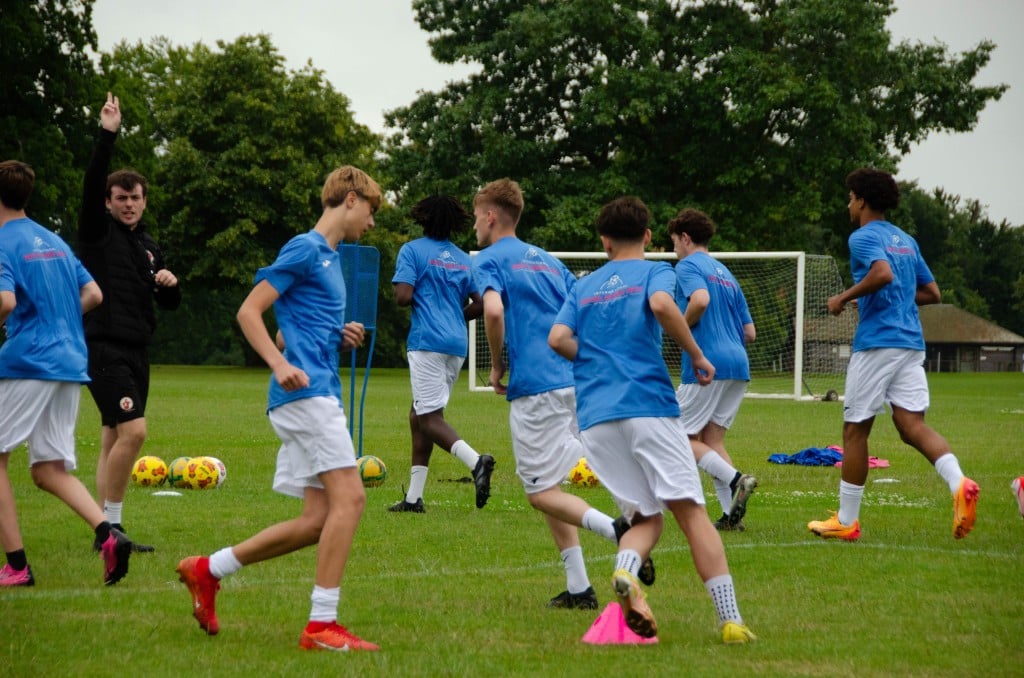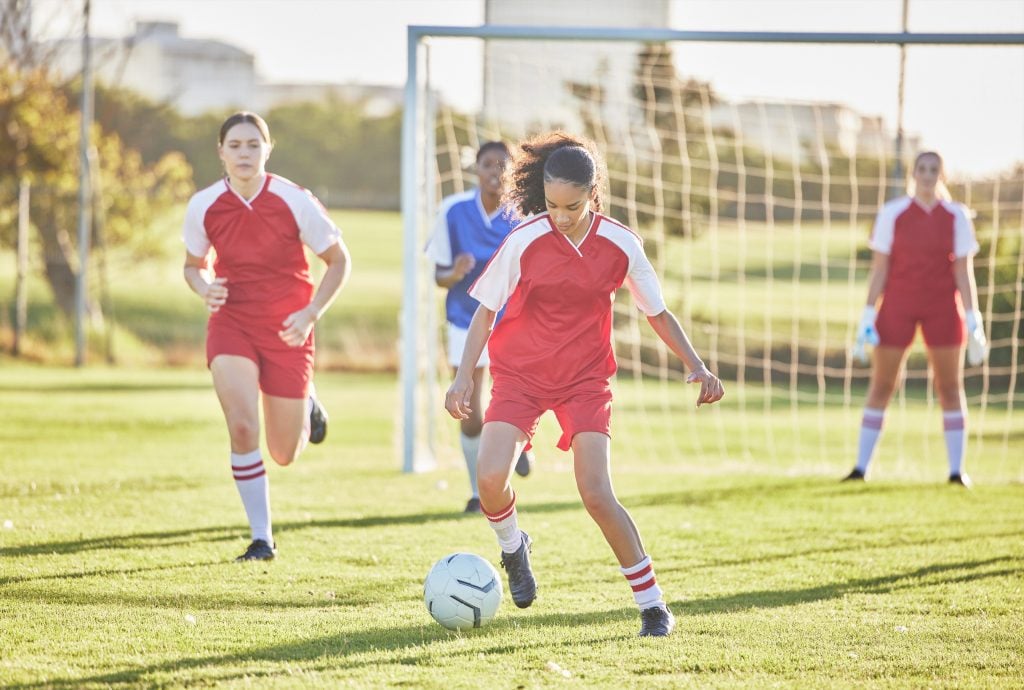

Barcelona and Real Madrid face off this weekend at Camp Nou in a match that has the whole world on the edge of their seats and will be watched in more than 150 countries. The coaches of both teams, Luis Enrique and Zidane, are well known, but their players sometimes overshadow the tactics and training sessions they prepare each week with their performances. At Ertheo, we want to delve into the different tactics devised by these two coaches and the youth academies of the clubs they work for, in order to gain a deeper understanding of each team’s style of play and what youth soccer is like at both clubs.
FC Barcelona
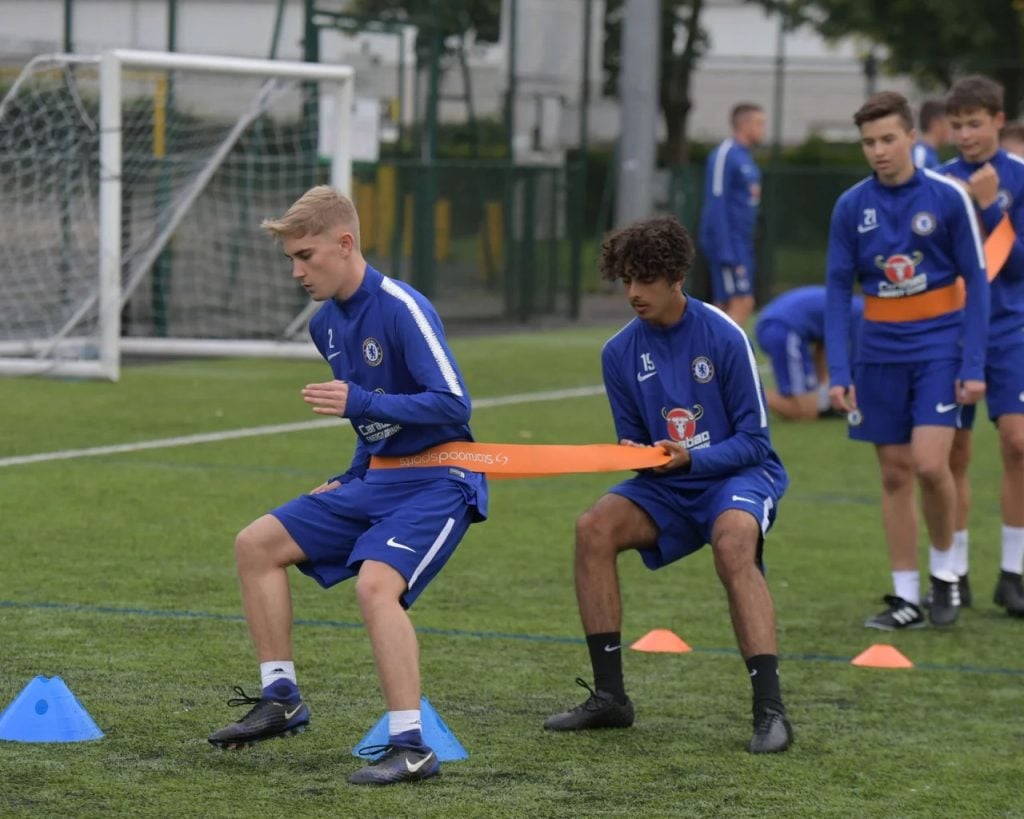
Barcelona has developed a training methodology for its entire youth system and standardized the style of play across all age groups, making“La Masía”one of the most prolific youth academies in the world. Excellent ball control and building play from the back are hallmarks of today’s Barça, which began to refine this style of play under Pep Guardiola’s leadership. Their signings are geared toward continuing this unique style of play that many other teams in Spain and other countries seek to emulate. To maintain the model that has brought Barcelona so much success, all players must possess good body control and excellent coordination. In this video, you can see how the club’s young players improve their coordination and control skills—one of the foundations for bringing FC Barcelona’s playing style to life on the field:
A few years ago, El País uncovered one of the pillars of FC Barcelona’s organization: the COR (Knowledge, Organization, and Performance), a database used to store all kinds of information on players across Barça’s entire organizational structure. The goal is to facilitate and improve training and player preparation, as well as streamline the work of coaches and the sports department. This project began to take shape in 2010 with the hiring of Andoni Zubizarreta as sporting director and has been fully operational since this year. The system features a database containing information on all players across every squad, a library with over 900 exercises, and data for player recruitment; furthermore, cameras have been installed throughout all sports facilities to provide comprehensive monitoring of all players.
World-class stars have emerged from Barcelona’s youth academy, seizing their opportunities on the first team to make a name for themselves. Iniesta, Messi, Busquets, and Puyol are just a few who arrived at La Masía at a very young age and went on to succeed on the first team; others, like Piqué and Cesc Fábregas, left but returned years later.
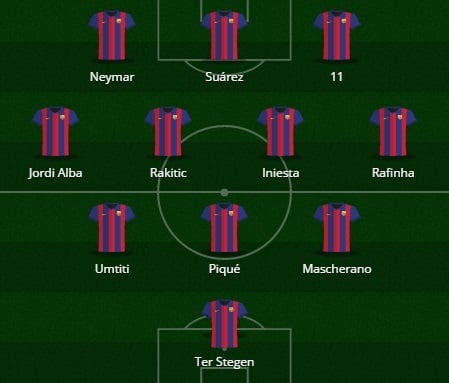
The large squad at Luis Enrique’s disposal allows him to make many tactical adjustments throughout the season to compensate for injuries and give opportunities to less-frequent starters. These tactics can serve as a model for coaches seeking a style of play similar to Barça’s. Below you can see the tactical variations FC Barcelona has used this season:
4-3-3
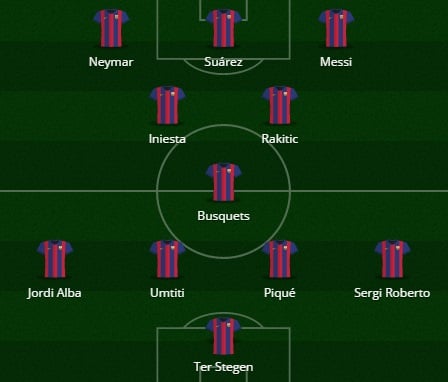
4-4-2
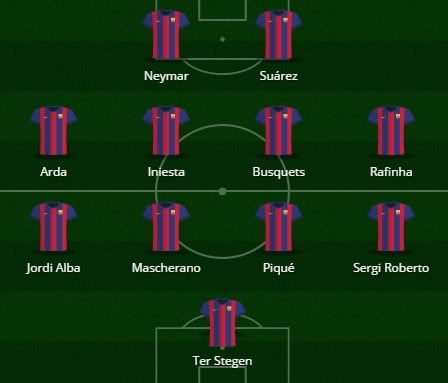
3-4-3
Real Madrid
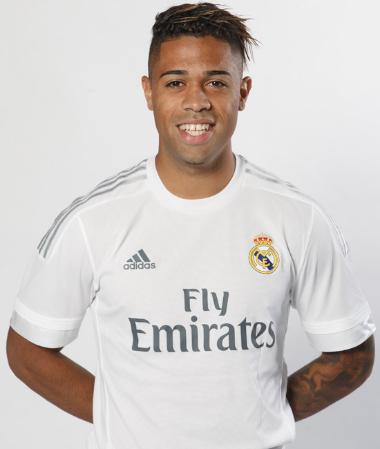
Mariano, Real Madrid forward. Photo: Real Madrid
Real Madrid’s youth academy, known as“La Fábrica,”has produced many players who have moved to other teams in search of playing time they might not have gotten on the first team. In late 2015, after several years of changes, the Aragonese coach and former player Víctor Fernández was named director of the youth academy and took the helm alongside Juanlu Martínez, considered one of the best football methodologists, one of the first doctors of Physical Education in Spain, and a figure who left his mark on the club’s youth ranks over the course of eleven seasons. In an article published a few months ago in ABC, they explained how Real Madrid’s youth academy would operate under the new organizational structure. Juanlu Martínez has implemented the“Smartfootball”methodology at Real Madrid, through which he aims for all of the club’s youth teams to build their strength on creativity and on how they can leverage that creativity to interpret the game in a more intelligent way. With this goal in mind, Madrid aims to make its youth academy the best in the world once again, just as it was when Del Bosque was its director and the first-team lineup was filled with homegrown players.
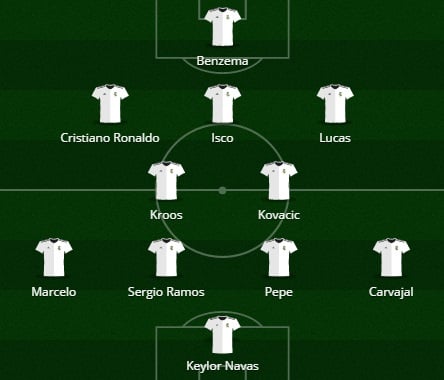
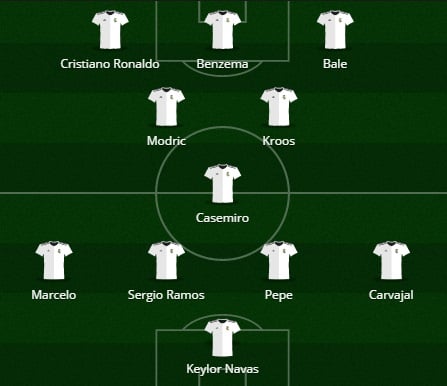
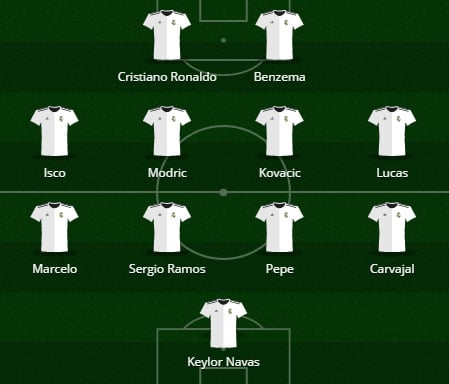
Zidane has been coaching for only two years—one with Real Madrid Castilla and another with Real Madrid’s first team—but he has already won a title, the Champions League, and is making his mark on the Real Madrid locker room. As is the case with FC Barcelona, the variety of players on Real Madrid’s roster allows Zinedine Zidane to create various tactical formations and rotate the lineup depending on the opponent in the next match. During last season and the start of this one, the French coach has relied on a very specific tactical system with a solid midfield and three forwards. But with the numerous injuries the team has suffered recently, Zidane has changed the lineup several times and implemented other tactical variations on the field. These are the ones most frequently used by the Madrid coach:
4-3-3
4-4-2
4-2-3-1